
Sport News
2026 NBA Draft Analysis: How Team Ideology and High-Upside Bets Reshaped the League
Jun
The first round of the 2026 NBA Draft stood out because front offices aggressively prioritized elite, versatile wing play and calculated high-ceiling gambles, shifting away from safe, low-floor prospects to fundamentally reshape structural team identities across both rebuilding and contending rosters.
Introduction
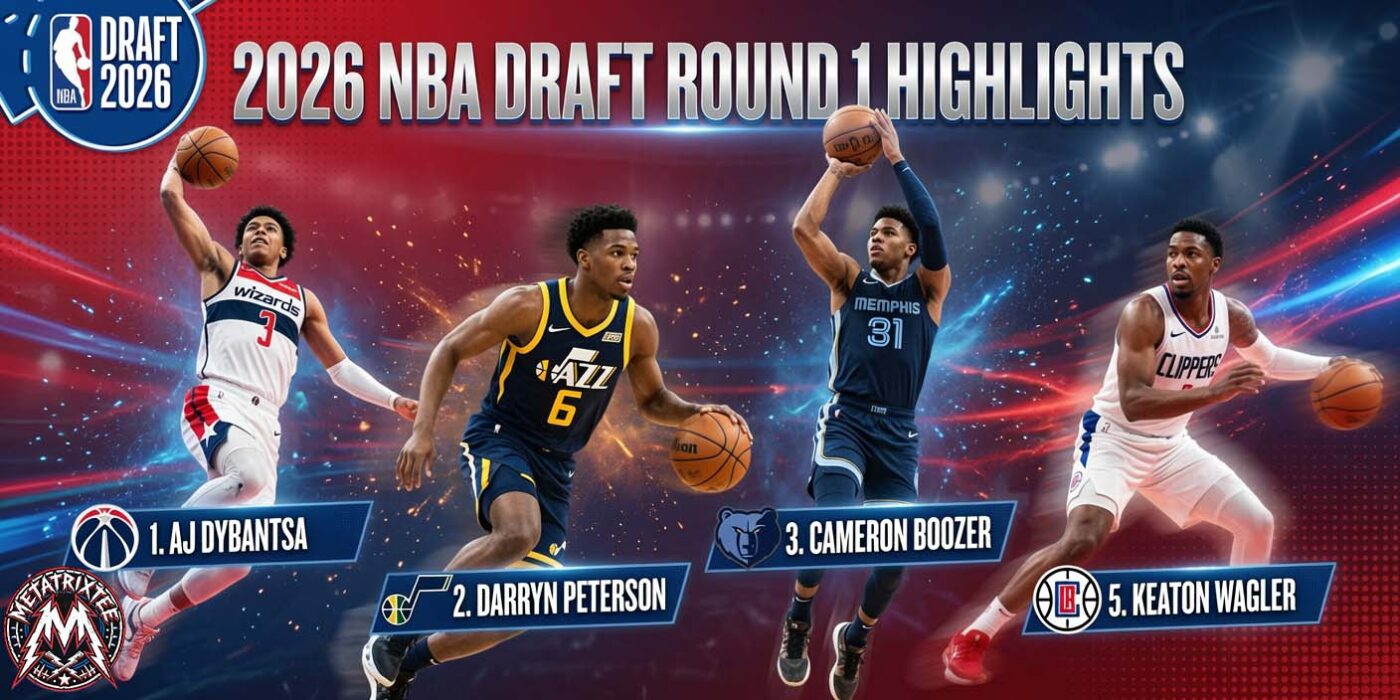
The annual injection of collegiate and international talent into the NBA often serves as a barometer for where modern basketball strategy is heading. The first round of the 2026 NBA Draft, as detailed in image_6f7d66.jpg, provided an emphatic answer: the league-wide premium on hybrid size, self-actualizing shot creation, and defensive adaptability has never been higher. Front offices approached the podium not looking for traditional role completion, but for multi-positional chess pieces capable of breaking structural advantages.
From the Washington Wizards locking in their new franchise pillar at the top slot to playoff-tested teams navigating the back half of the board for high-upside financial and athletic efficiency, the night was defined by aggressive positioning. According to the latest executive feedback tracking on ESPN’s NBA draft coverage, this wasn’t a draft class where teams settled for safety; it was an evening built on bold talent evaluation and long-term philosophical commitments.
Fact-Density Table
| Topic | Quick Answer | Why It Matters |
|---|---|---|
| Most discussed pick | AJ Dybantsa to Washington | Gives the Wizards a legitimate, premier scoring wing to anchor their multi-year rebuilding phase. |
| Biggest surprise | Keaton Wagler at Pick 5 | A bold, early tier-break by Portland that prioritizes elite shooting and structural baseline spacing. |
| Best value pick | Koa Peat at Pick 30 | Dallas lands a lottery-talent interior engine at the absolute end of the first round. |
| Strongest strategy | Chicago Bulls | Nabbed Caleb Wilson and Dailyn Swain, maximizing elite, long-limbed defensive versatility across their roster. |
| Immediate impact rookie | Cameron Boozer to Memphis | Boozer possesses an incredibly polished, professional-grade interior game ready to contribute to winning immediately. |
| Highest long-term upside | Darryn Peterson to Utah | A dynamic, three-level primary generator who could develop into an All-NBA caliber perimeter engine. |
First Round Breakdown
Picks 1–5 — The Headliners
The top five selections established a definitive talent tier, where foundational franchise pillars were secured to act as either primary offensive engines or high-efficiency structural complements for rebuilding organizations.
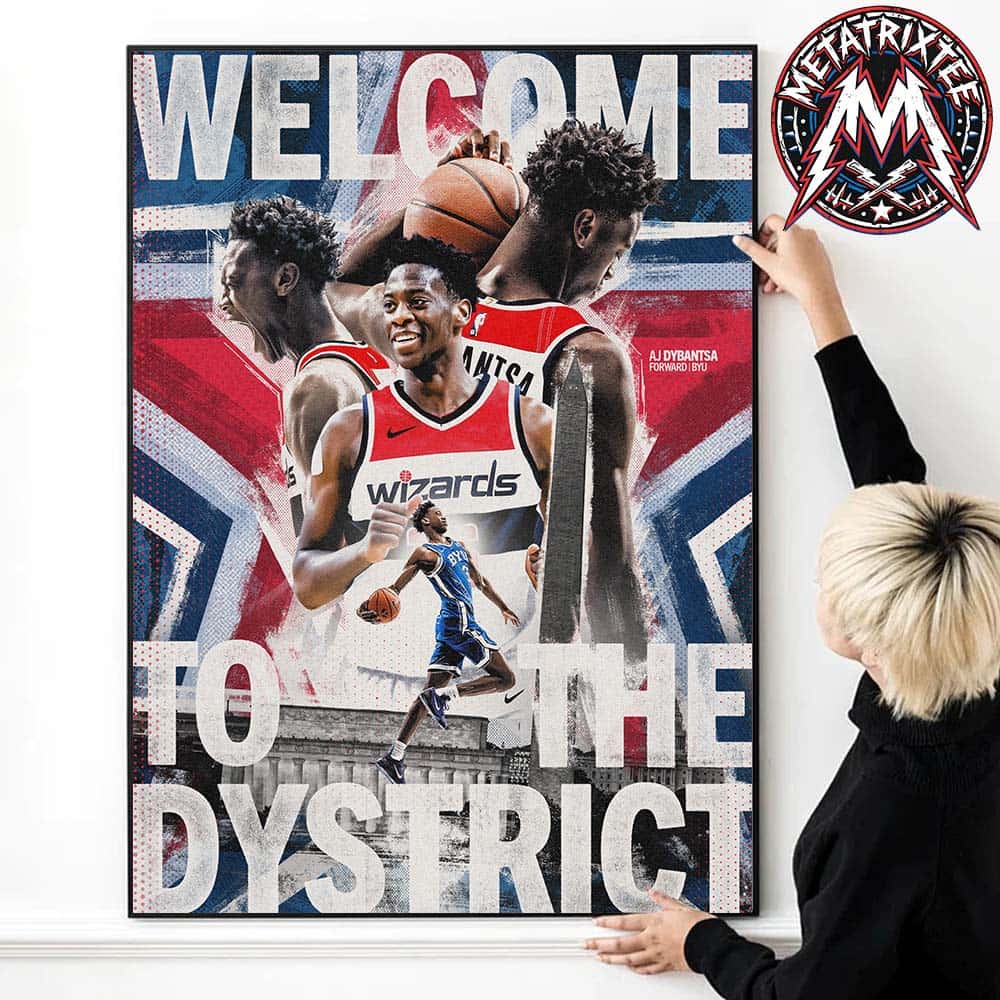
The top of the draft board unfolded with predictable star power followed by a massive philosophical curveball, as shown in image_6f7d66.jpg. At Pick 1, the Washington Wizards selected AJ Dybantsa, an absolute home run for an organization desperately in need of a definitive number-one option. Dybantsa’s key strengths reside in his lethal isolation scoring, prototypical wing size, and a fluid pull-up jumper that projects cleanly to NBA depths. His roster fit in Washington is total; he steps in as the immediate focal point of the offense. Long-term, Dybantsa possesses top-tier All-Star ceiling, though his immediate impact will involve adjusting to the sheer volume of defensive attention he will face on a nightly basis.
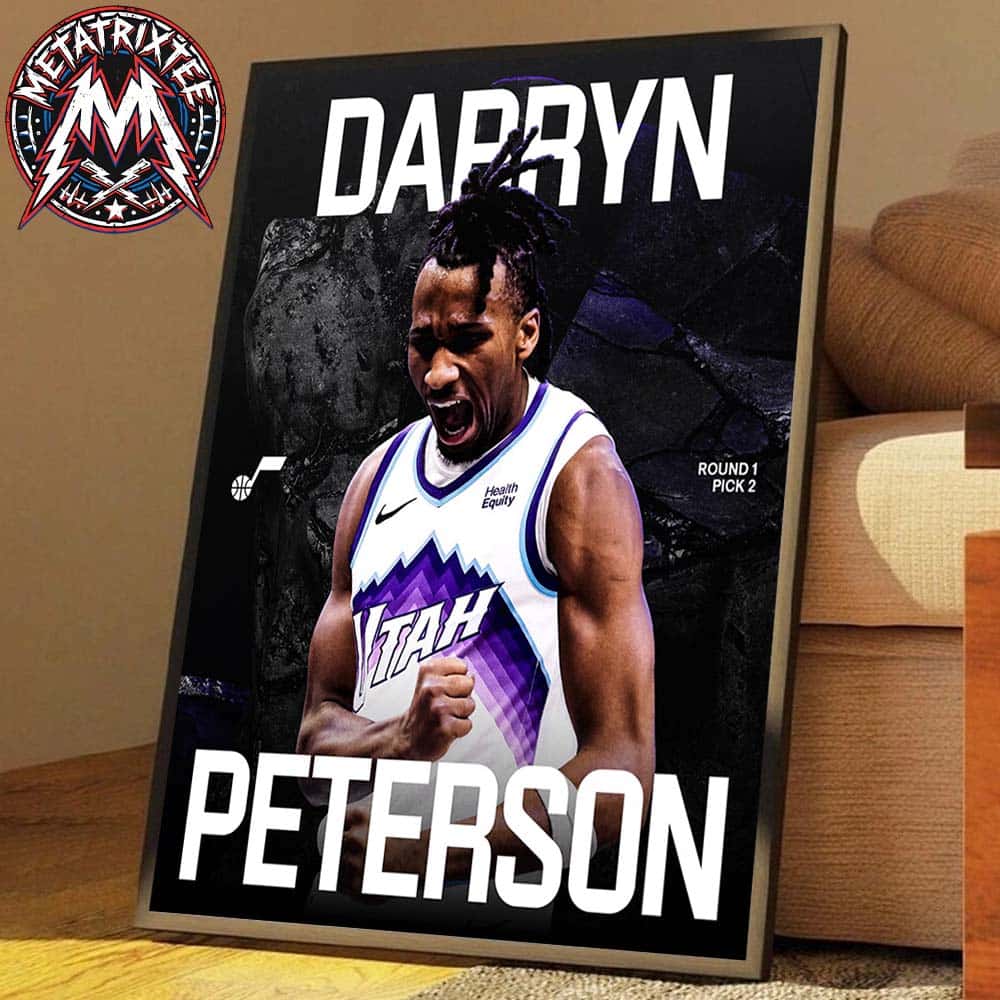
The Utah Jazz followed at Pick 2 by drafting Darryn Peterson, a physically imposing combo guard with an elite handle and natural feel for operational pacing. Peterson gives Utah a premium perimeter engine to pair with their existing frontcourt assets. He fits seamlessly into modern pick-and-roll architectures, projecting as a long-term multi-time All-Star who can manipulate NBA drop coverages from day one.
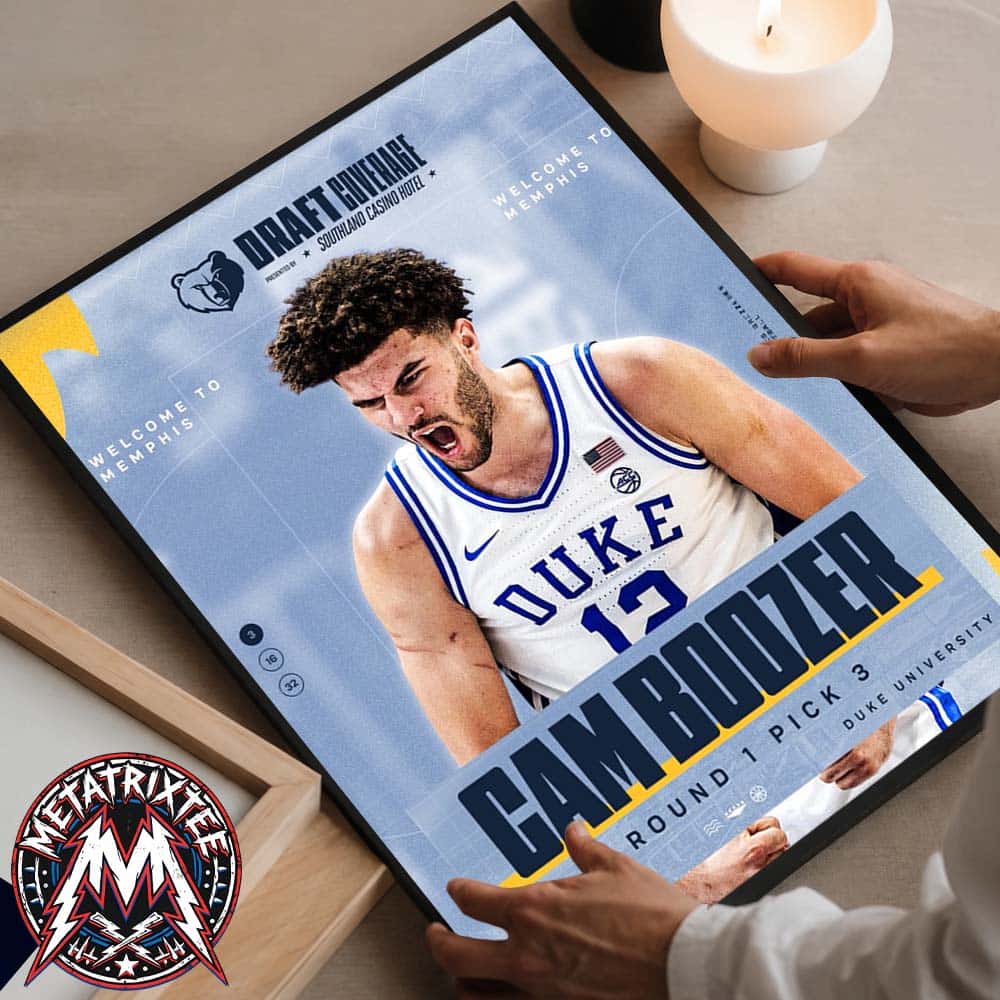
At Pick 3, the Memphis Grizzlies weaponized their lottery position to grab Cameron Boozer. Boozer brings an incredibly mature post-up toolkit, high-low passing acumen, and relentless elite defensive rebounding. His roster fit next to an explosive backcourt is spectacular, giving Memphis a low-maintenance, high-efficiency interior connector. Expect an immediate, polished impact from Boozer, whose long-term outlook is a highly reliable All-NBA foundational frontcourt anchor.
The Chicago Bulls began their night of length-maximization at Pick 4 with Caleb Wilson, a hyper-fluid forward with elite modern defensive ground coverage and an evolving face-up game. Wilson fits perfectly into modern switch-heavy defensive systems. While his short-term role will focus on weak-side rim protection and transition running, his long-term outlook is that of a premium, multi-categorical defensive disruptor.
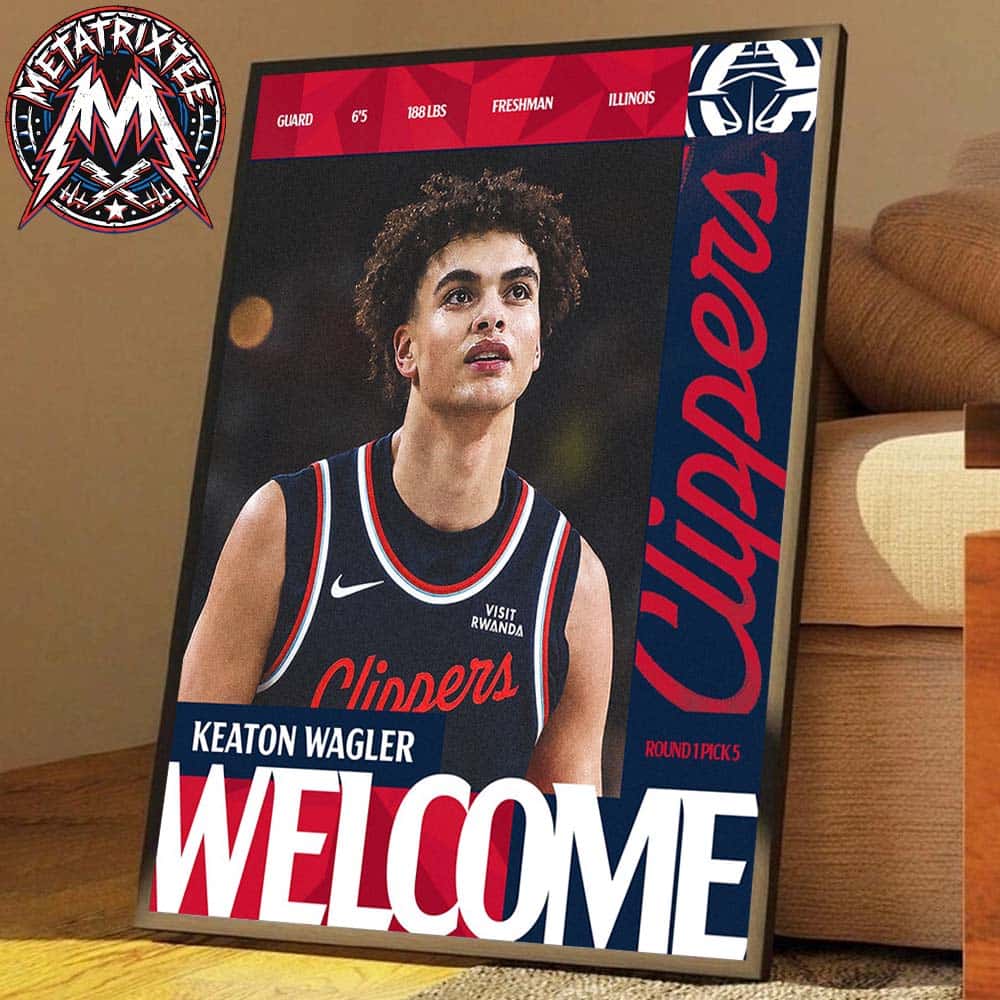
The first true shockwave of the night occurred at Pick 5, where the Portland Trail Blazers selected Keaton Wagler. Selected ahead of several consensus tape favorites, Wagler represents Portland’s specific gamble on elite catch-and-shoot mechanics, positional size, and high-IQ spatial movement. While critics point to his lower athletic ceiling compared to other top-five picks, Wagler provides immediate floor spacing for Portland’s ball-dominant guards. Long-term, Portland envisions him as a vital, premium, low-turnover connective tissue player along the lines of elite championship role players.
Picks 6–10 — High-Upside Bets
Teams in the middle lottery pivot decisively toward functional backcourt playmaking and physical wing upside, gambling on developmental pathways over immediate, low-ceiling rotational safety.
- Pick 6: Brooklyn Nets -> Mikel Brown Jr.
- Pick 7: Sacramento Kings -> Darius Acuff Jr.
- Pick 8: Atlanta Hawks -> Kingston Flemings
- Pick 9: Dallas Mavericks -> Morez Johnson Jr.
- Pick 10: Milwaukee Bucks -> Brayden Burries
The second portion of the lottery focused heavily on backcourt dynamism. At Pick 6, the Brooklyn Nets locked onto Mikel Brown Jr., a slick, high-read playmaker with an incredibly creative passing live-dribble package. Brooklyn needs an operational engine, and Brown fits the bill. His immediate focus will be building out his frame to withstand NBA screen-and-roll contact, but his long-term outlook is that of a high-level starting point guard who can easily dictate the game’s rhythm.
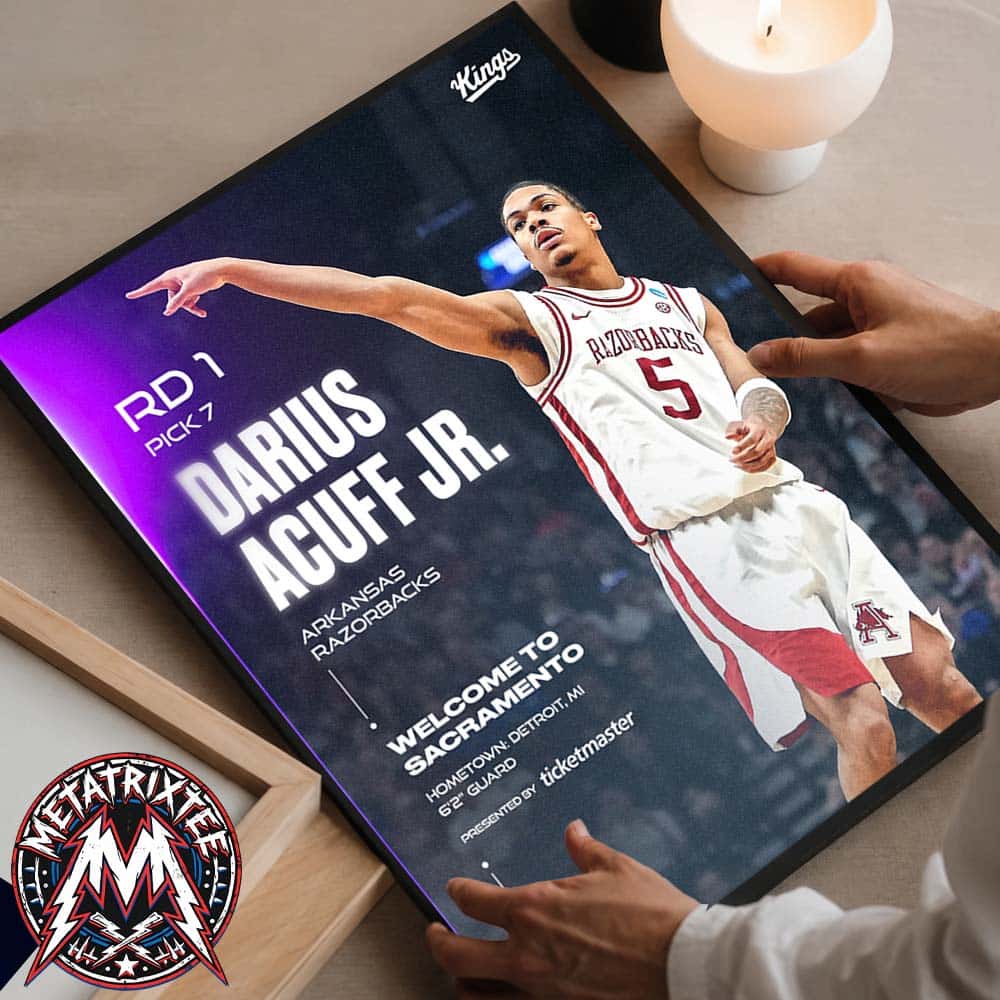
The Sacramento Kings added scoring depth at Pick 7 with Darius Acuff Jr., an aggressive downhill driver with a relentless competitive motor. Acuff gives Sacramento instant bench scoring punch, with the long-term outlook of developing into an incredibly dangerous secondary playmaker who relieves pressure on their core stars.
At Pick 8, the Atlanta Hawks targeted Kingston Flemings, an athletic, defensive-minded guard who thrives in open-floor transition play. Flemings’ lateral quickness allows him to project as an immediate point-of-attack defensive pest. While his half-court shooting requires technical development, his long-term ceiling as a two-way elite connector makes this a highly calculated pick.
The Dallas Mavericks selected Morez Johnson Jr. at Pick 9. Johnson is a hyper-athletic rim-runner and shot-blocking specialist. He provides an immediate vertical spacing element and elite rim protection. His long-term outlook is a high-end defensive anchor who doesn’t require offensive touches to change the outcome of a basketball game.
Rounding out the top ten, the Milwaukee Bucks selected Brayden Burries at Pick 10. Burries is a physically advanced, highly competitive guard who can absorb contact and finish through traffic. His frame allows him to provide immediate rotation minutes for a win-now roster, projecting long-term as an incredibly reliable, multi-positional backcourt contributor.
Picks 11–20 — Value and Surprise Picks
The middle of the first round was defined by tactical value acquisitions, featuring experienced collegiate stalwarts alongside international developmental projects tailored to fit specific scheme architectures.
At Pick 11, the Golden State Warriors found excellent structural value in Yaxel Lendeborg. Lendeborg is a versatile forward whose elite motor, defensive multi-positionality, and high-IQ cutting make him an instant fit for the Warriors’ complex read-and-react offensive philosophy. His immediate impact will be felt on the offensive glass and in defensive switching, projecting long-term as a crucial foundational piece for their post-rebuilding depth.
The Oklahoma City Thunder made a signature developmental move at Pick 12 by selecting Aday Mara, the towering international center project. Mara possesses rare, elite high-post passing vision and immense standing reach. Detailed positional data tracked via the official NBA portal shows that while his lateral mobility will be tested early in space, OKC’s legendary developmental program makes his long-term outlook as an elite structural hub incredibly fascinating.
The Miami Heat added to their cultural wing depth at Pick 13 with Nate Ament, a smooth, long-limbed forward who shoots exceptionally well over defensive contests. Ament fits seamlessly into modern roster builds, offering immediate shooting gravity and the long-term potential to become a highly dangerous two-way wing.
The back half of this range featured several intriguing choices, including the Charlotte Hornets taking international prospect Hannes Steinbach at Pick 14 to bolster their long-term interior depth, and the Chicago Bulls returning at Pick 15 with Dailyn Swain to double-down on switchable perimeter wings.
Further down, the Oklahoma City Thunder struck again at Pick 17 with Ebuka Okorie, adding further high-motor perimeter defense. The San Antonio Spurs made a massive long-term investment at Pick 20 with Jayden Quaintance, a remarkably young big man with exceptional physical tools who will be given ample time to develop alongside their existing young core.
Picks 21–30 — Sleepers and Long-Term Projects
The final third of the round saw contending teams snap up elite international prospects and slip-sliding lottery talents, maximizing draft capital value.
- Pick 21: Detroit Pistons -> Karim López
- Pick 22: Philadelphia 76ers -> LaBaron Philon Jr.
- Pick 23: Atlanta Hawks -> Zuby Ejiofor
- Pick 24: New York Knicks -> Cameron Carr
- Pick 25: Los Angeles Lakers -> Sergio De Larrea
- Pick 26: Denver Nuggets -> Tarris Reed Jr.
- Pick 27: Boston Celtics -> Chris Cenac Jr.
- Pick 28: Minnesota Timberwolves -> Joshua Jefferson
- Pick 29: Cleveland Cavaliers -> Alex Karaban
- Pick 30: Dallas Mavericks -> Koa Peat
The late first round is where front-office execution separates contenders from pretenders. At Pick 21, the Detroit Pistons grabbed international forward Karim López, a smooth operational talent who will benefit from a patient development arc. Analysts writing for The Athletic’s sports journalism network noted that teams drafting in this tier increasingly prioritize athletic elasticity over college production.
The Los Angeles Lakers found an exceptional developmental playmaker at Pick 25 in Sergio De Larrea, an international guard whose pick-and-roll vision and pure size present great long-term value. Meanwhile, the reigning champion or contending rosters looked for immediate functional identity: the Boston Celtics added frontcourt athleticism with Chris Cenac Jr. at Pick 27, and the Cleveland Cavaliers added elite catch-and-shoot insurance by drafting Alex Karaban at Pick 29.
However, the undeniable story of this draft range was Koa Peat sliding all the way to the Dallas Mavericks at Pick 30. Peat, a consensus lottery-level physical talent, possesses elite functional strength, a powerful mid-post game, and fierce interior competitive drive. His slide represents the draft’s ultimate market inefficiency. Dallas lands an immediate rotational piece who can play multiple frontcourt roles, presenting them with a massive long-term asset steal.
Biggest Winners of Round 1
Best Draft Strategy: Chicago Bulls
The Bulls clearly went into the evening with a singular, unified vision: acquisition of elite positional length and defensive multi-versatility. By walking away with Caleb Wilson (Pick 4) and Dailyn Swain (Pick 15), Chicago built a modern perimeter wall. Their strategy focused entirely on modern transition assets and defensive switching, giving them a clear, distinct identity moving forward.
Biggest Value Pick: Koa Peat (Pick 30 to Dallas)
Getting Peat at the end of the first round is an absolute heist for the Mavericks front office. Peat possesses the strength, pedigree, and rebounding intelligence of a player selected fifteen picks higher. He gives a contending Dallas team cheap, high-end insurance and physical interior pop.
Most Surprising Decision: Portland Trail Blazers selecting Keaton Wagler at Pick 5
While Wagler’s shooting profile is undeniably elite, taking him at number five over several high-profile primary shot creators was a massive gamble on specific role construction. Portland wagered heavily that baseline floor spacing is more valuable to their roster than raw individual upside.
Emerging Themes From the Draft
The Death of the Traditional One-Dimensional Big
Looking across the selections in image_6f7d66.jpg, the traditional, slow-footed rim protector has been thoroughly phased out of first-round consideration. Bigs selected in this round, such as Cameron Boozer, Morez Johnson Jr., and Aday Mara, must either possess elite passing capabilities, ultimate vertical gravity, or hyper-fluid perimeter mobility.
Over-indexing on Wing Length and Shooting Flexibility
Teams are no longer drafting for specific positions; they are drafting for dynamic structural skill sets. The rapid run on players like Wilson, Ament, Swain, and Karaban proves that front offices value multi-positional perimeter defensive range and spot-up volume shooting above almost everything else. If a prospect cannot switch across multiple positions or respectably stretch the floor, their draft value plummeted.
Draft Round 1 Summary Table
| Pick | Team | Player | Key Takeaway |
|---|---|---|---|
| 1 | Washington Wizards | AJ Dybantsa | A legitimate, premier franchise scoring pillar. |
| 2 | Utah Jazz | Darryn Peterson | High-ceiling primary three-level engine. |
| 3 | Memphis Grizzlies | Cameron Boozer | Highly polished, immediate impact interior contributor. |
| 4 | Chicago Bulls | Caleb Wilson | Hyper-versatile elite defensive chess piece. |
| 5 | Portland Trail Blazers | Keaton Wagler | A massive gamble on premium floor spacing. |
| 6 | Brooklyn Nets | Mikel Brown Jr. | Creative, elite live-dribble playmaker. |
| 7 | Sacramento Kings | Darius Acuff Jr. | Instant, aggressive perimeter scoring punch. |
| 8 | Atlanta Hawks | Kingston Flemings | Dynamic, high-motor open-court defender. |
| 9 | Dallas Mavericks | Morez Johnson Jr. | Hyper-athletic elite vertical rim-runner. |
| 10 | Milwaukee Bucks | Brayden Burries | Physically advanced, contact-absorbing guard. |
| 11 | Golden State Warriors | Yaxel Lendeborg | High-IQ, ideal transition system fit. |
| 12 | Oklahoma City Thunder | Aday Mara | Tall international passing hub project. |
| 13 | Miami Heat | Nate Ament | Pure, smooth shooting over defensive contests. |
| 14 | Charlotte Hornets | Hannes Steinbach | Physical, long-term developmental interior depth. |
| 15 | Chicago Bulls | Dailyn Swain | Added perimeter length and switchability. |
| 16 | Memphis Grizzlies | Bennett Stirtz | High-IQ backcourt organizational depth. |
| 17 | Oklahoma City Thunder | Ebuka Okorie | High-motor, elite perimeter point-of-attack defense. |
| 18 | Charlotte Hornets | Christian Anderson | Dynamic, microwave-scoring backup guard. |
| 19 | Toronto Raptors | Allen Graves | Modern, floor-stretching frontcourt flyer. |
| 20 | San Antonio Spurs | Jayden Quaintance | Hyper-young interior project with massive tools. |
| 21 | Detroit Pistons | Karim López | Smooth, highly fluid international developmental wing. |
| 22 | Philadelphia 76ers | LaBaron Philon Jr. | Intense, physical on-ball perimeter defender. |
| 23 | Atlanta Hawks | Zuby Ejiofor | High-energy, elite modern rim-protecting depth. |
| 24 | New York Knicks | Cameron Carr | Lengthy developmental shot-maker on the wing. |
| 25 | Los Angeles Lakers | Sergio De Larrea | Massive international pick-and-roll passing genius. |
| 26 | Denver Nuggets | Tarris Reed Jr. | Strong, physically imposing interior enforcer. |
| 27 | Boston Celtics | Chris Cenac Jr. | Highly athletic, modern frontcourt project. |
| 28 | Minnesota Timberwolves | Joshua Jefferson | Gritty, high-IQ defensive connector forward. |
| 29 | Cleveland Cavaliers | Alex Karaban | Premium, elite championship-grade catch-and-shoot depth. |
| 30 | Dallas Mavericks | Koa Peat | Absolute lottery-level talent steal at thirty. |
Key Takeaways
- Premium Focus on Primary Playmaking: The top tiers of the draft focused heavily on finding elite primary engines, prioritizing individual shot creators over off-ball options.
- Aggressive Tier-Breaking: Front offices, most notably Portland, proved they were entirely willing to disregard draft consensus boards to draft for specific roster-fit mechanics.
- Late-Round Market Inefficiencies: The final ten picks of the first round highlighted a clear trend of playoff contenders taking calculated risks on falling lottery-grade talents.
Conclusion
The first round of the 2026 NBA Draft provided an incredible display of tactical team building and philosophical commitments. Whether it was Washington landing a foundational piece in AJ Dybantsa, Chicago constructing a modern defensive wall, or Dallas executing a late heist to grab Koa Peat, the league’s competitive balance has been thoroughly disrupted. For readers wanting to remember this draft class, following how these contrasting roster methodologies play out over the grueling regular season will be one of the most compelling storylines of the year. You can also explore fans looking for draft-themed merchandise to commemorate this historic draft cycle.
Ultimately, success from this draft won’t just be measured by individual point averages, but by how effectively these young prospects integrate into their teams’ structural identities.
FAQ
Who actually won the first round of the 2026 NBA Draft?
The Chicago Bulls and the Dallas Mavericks stand out as the definitive winners. Chicago perfectly executed a high-length, modern defensive strategy, while Dallas managed to secure an incredible lottery-talent steal in Koa Peat with the final pick of the round.
Did any team reach too early for a player?
The Portland Trail Blazers choosing Keaton Wagler at Pick 5 was the biggest reach relative to major draft consensus boards. However, Portland prioritized elite floor spacing over raw developmental upside.
Which rookie looks the most NBA-ready right now?
Cameron Boozer of the Memphis Grizzlies. His highly advanced physical frame, polished post-up game, and elite defensive rebounding instincts should allow him to contribute to a winning rotation immediately.
Which late-round pick has the absolute highest upside?
Sergio De Larrea to the Los Angeles Lakers at Pick 25. His rare combination of pure size and highly advanced international pick-and-roll passing vision gives him a very high developmental ceiling.
Was this draft class stronger than recent years?
Yes, specifically due to the incredible depth of multi-positional wings and elite shot creators available throughout the entire first round, offering fewer clear busts and significantly more high-ceiling prospects.
Which team improved their defense the most?
The Chicago Bulls. By drafting both Caleb Wilson and Dailyn Swain, they injected elite length, switchability, and weak-side rim protection directly into their core rotation.
What was the single biggest surprise of the night?
Koa Peat sliding completely to the end of the first round at Pick 30. Despite clear lottery-level tape and elite interior strength, he fell right into the hands of a contending Dallas Mavericks roster.
