Music News
Echoes in the Cellblock: Why Inkcarceration 2026 Restructures the Heavy Music Experience
Jun
Table of Contents
The Weight of the Limestone Walls
Heavy music thrives on friction. It is an art form built to bounce off hard surfaces. It was born in industrial towns and dark basement clubs where the air feels thick enough to chew. Yet, most modern summer music gatherings strip away this inherent tension. They place massive stages in flat, featureless fields or corporate parking lots. In those spaces, the sound simply evaporates into the open sky. When you stand on the grounds of the historic Ohio State Reformatory in Mansfield, the atmosphere changes completely. The towering 19th-century limestone architecture acts as an active participant in the weekend rather than a static backdrop. Deep shadows stretch from the historic guard towers. The imposing Romanesque revival facades inject a sense of gothic drama that no standard stage production could ever replicate.
This is not a traditional festival venue. History here does not start when the gates open at noon and end when the last amplifier cuts out at midnight. The stones beneath your feet carry over a century of isolation, reform, and architectural ambition. For three days in July, that heavy, solemn history collides directly with the chaotic, liberating energy of thousands of rock and metal fans. This striking juxtaposition fundamentally redefines what a weekend destination event can be. It transforms a routine concert outing into a deeply atmospheric cultural pilgrimage. The air is thick with anticipation. The collective roar of a dedicated subculture echoes off the same hand-hewn blocks that once contained a completely different kind of human drama.
Why Inkcarceration Feels Different
The current festival landscape suffers from an identity crisis born of hyper-commercialization. Major events frequently expand to cater to the widest possible demographics. In the process, they often lose the sharp edges that made their respective subcultures vibrant. This specific rock festival 2026 counteracts that trend. It leans heavily into its geographical and cultural specificity. It avoids the sterile, copy-paste format of modern touring spectacles by remaining deeply rooted in its distinct physical environment. You cannot separate the performances from the venue. The music bounces off the cell blocks. Meanwhile, the visual weight of the prison structures influences how the audience engages with every single breakdown and chorus.
Moreover, the crowd dynamic here lacks the casual, passive spectatorship often found at massive multi-genre gatherings. The people who travel to Mansfield look for something intense, intentional, and concentrated. They feel drawn to the friction between the grim, structured history of the facility and the wild, unrestricted volume of modern alternative music. Industry analyses on Billboard highlight a massive shift toward hyper-focused genre festivals. Fans increasingly demand authentic, specialized environments over generic, oversized stadium tours. Mansfield offers exactly that. It feels less like a commercial amusement park and more like a temporary sanctuary. Here, the outcasts, the loud, and the heavily tattooed dictate the energy of the space. This intentional community prevents the weekend from feeling like just another corporate commodity.
The Spatial Alchemy of the Ohio State Reformatory
To understand the unique draw of this gathering, one must look at the physical space. The Ohio State Reformatory alters the psychological experience of a live concert. Architect Levi T. Scofield designed the facility in the late 1800s to inspire spiritual renewal through awe-inspiring architecture. The soaring arches, grand masonry, and intricate ironwork made inhabitants feel the weight of something larger than themselves. Today, that exact same architectural grandiosity amplifies the communal bond of a rock crowd. When a massive chorus rings out, it echoes against walls built to contain silence. This creates a powerful sense of sonic defiance.
Festival-goers can step away from the sun-drenched main stages and wander through the labyrinthine interior of the prison itself. The Ohio State Reformatory Historic Site carefully preserves the world’s tallest freestanding steel cell blocks, which offer a stark contrast to the standard festival experience. One moment you stand surrounded by the crushing volume of an outdoor sound system. The next, you walk through cold, peeling hallways where history feels tangible. This constant oscillation between raw, modern energy and static, historic solemnity keeps the senses sharp. It ensures that the festival experience never blurs into a monotonous cycle of identical rock sets. The physical layout forces a deeper presence from everyone.
Ink, Skin, and the Convergence of Subcultures
The music acts as the primary heartbeat of the weekend. However, the integration of an elite, on-site tattooing convention elevates the event further. It turns a standard concert series into a holistic lifestyle gathering. Tattoo culture and heavy music have run parallel for decades. Both serve as visual and sonic markers of rebellion, identity, and personal history. By housing over a hundred world-class tattoo artists inside the reformatory’s historic rooms, the event solidifies a permanent cultural exchange. Attendees do not just leave with ringing ears. Many leave with permanent art etched into their skin, forever linking their physical bodies to the weekend’s collective experience.
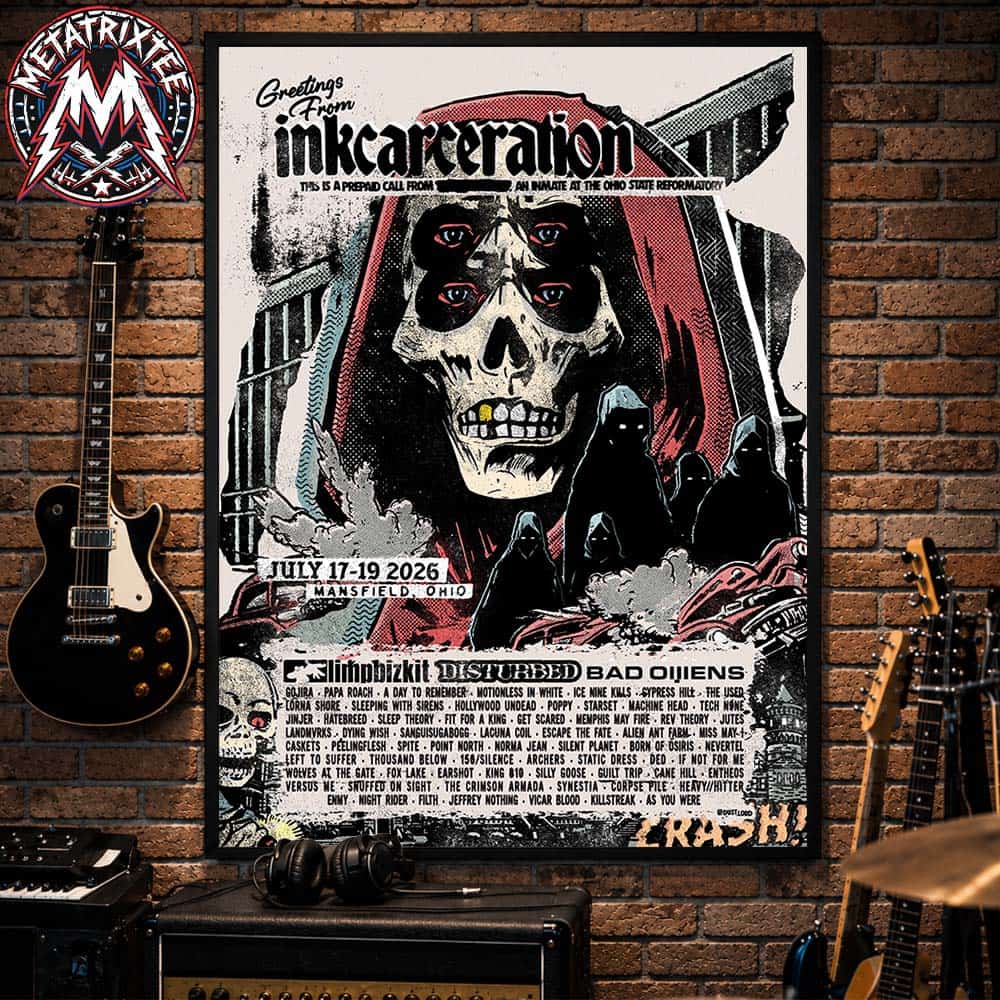
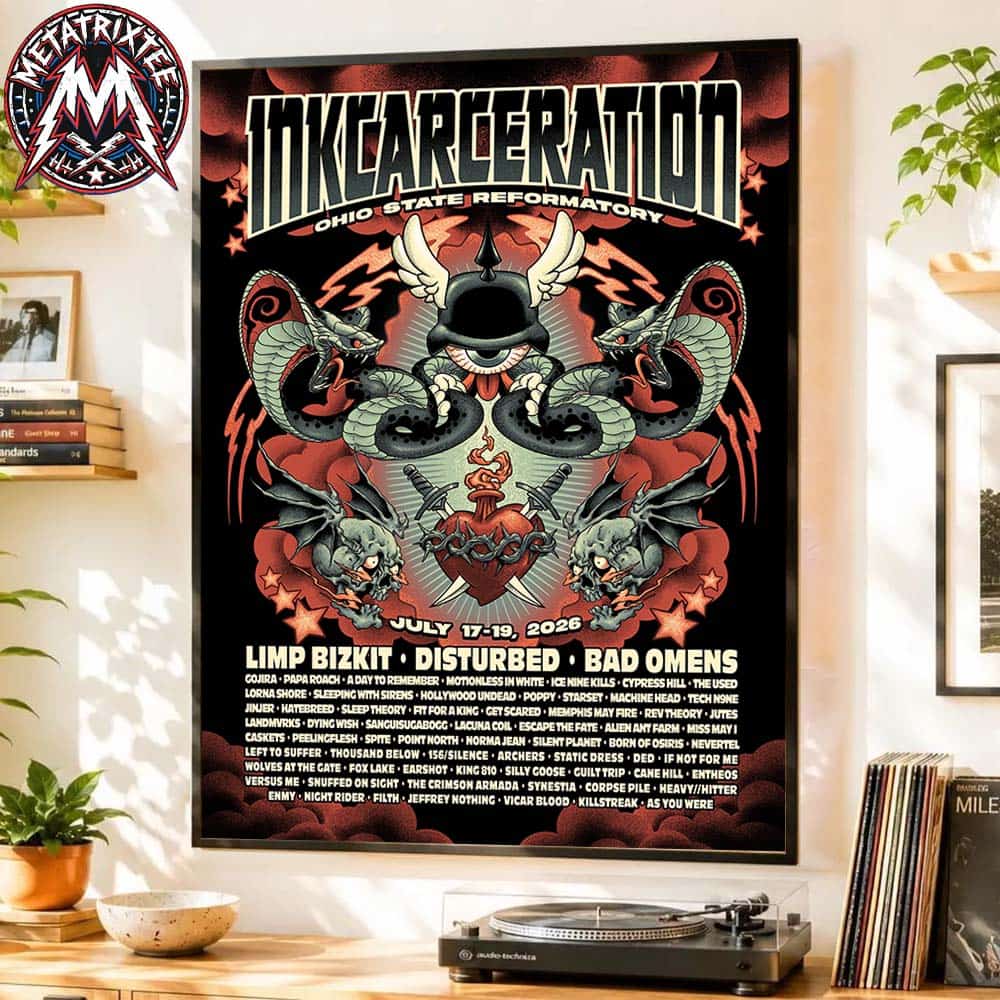
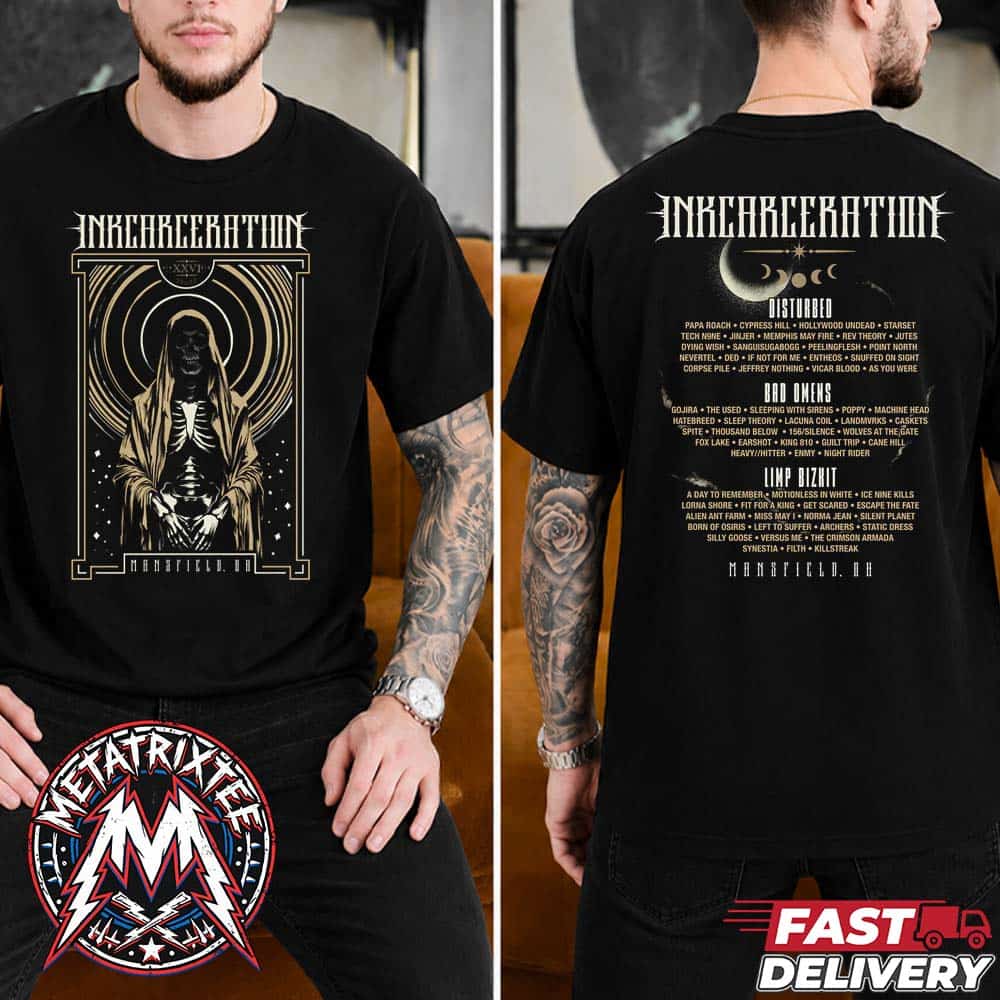
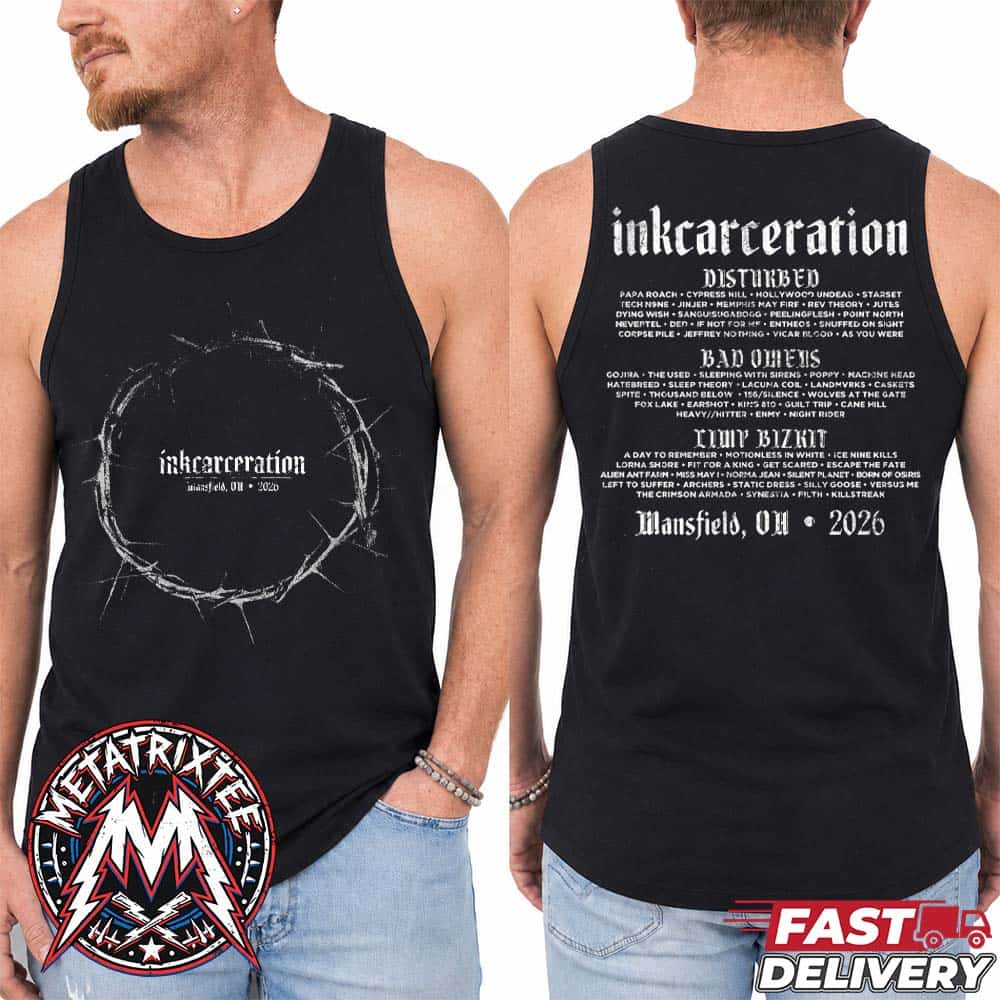
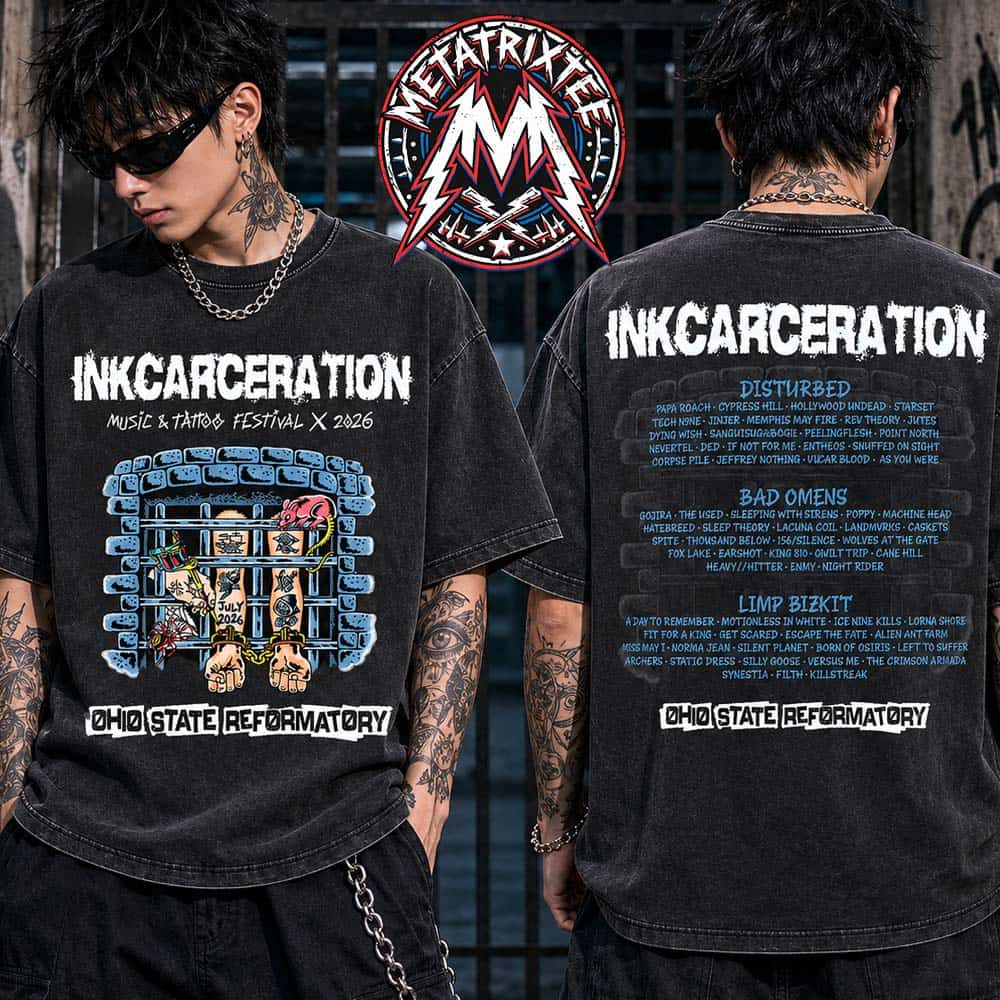
This integration highlights a broader shift toward collector and fan culture within the alternative community. Fans of this subculture view their participation as a defining pillar of their identity, not a temporary hobby. This passion extends naturally to the tangible artifacts of the weekend. These include custom flash sheets and limited-edition apparel. For those looking to preserve these memories through unique items, exploring specialized commemorative clothing like the Inkcarceration Festival 2026 merch has become an essential part of the ritual. It allows fans to carry a piece of the festival’s dark, historic aesthetic back into their daily lives. The trend continues long after the stages come down and the fields empty. It represents a physical manifestation of a shared memory.
Curated Chaos: Key Artists Shaping the 2026 Narrative
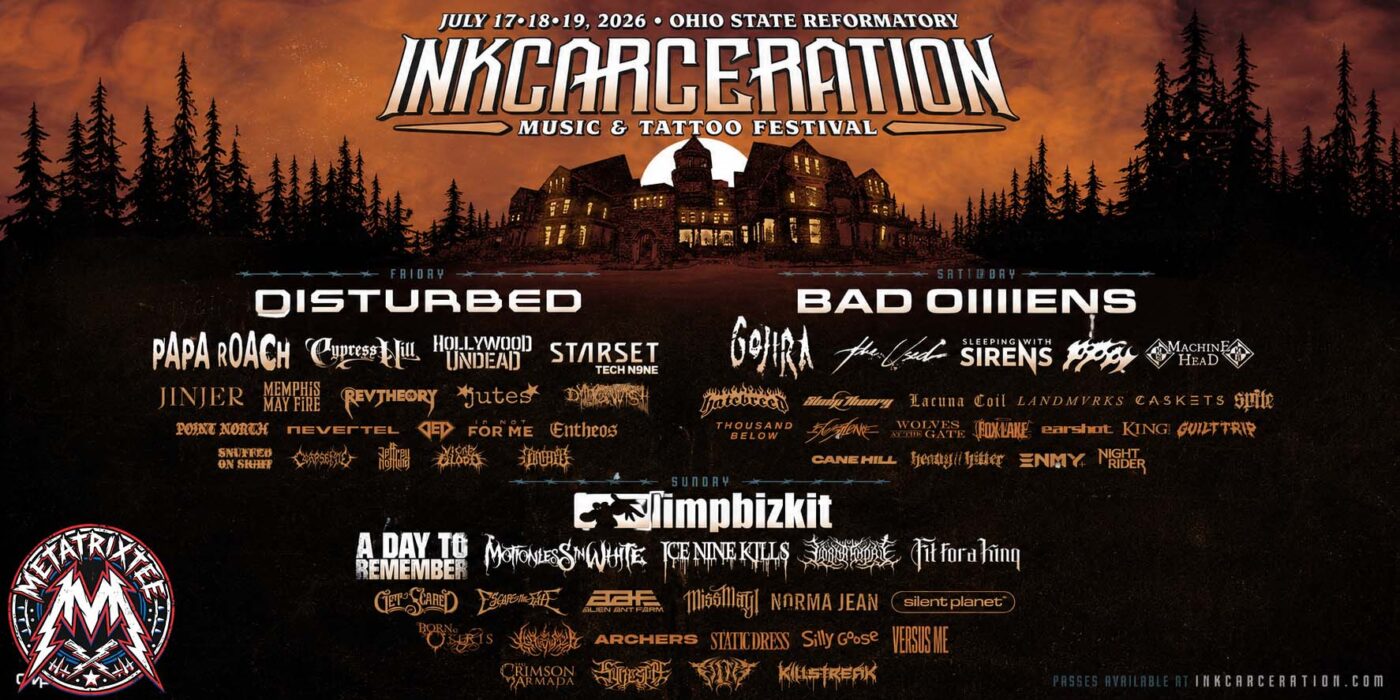
Rather than leaning on a generic assortment of radio-friendly rock bands, the 2026 iteration selects acts that match the theatrical and aggressive nature of their surroundings. Disturbed brings a clinical, rhythmic precision. Their sound feels perfectly suited for a venue built on structure and discipline. Their anthemic, mid-tempo driving riffs easily fill massive spaces. Their performance will undoubtedly turn the main courtyard into an echoing coliseum of synchronized energy. They prove that their catalog carries a timeless resonance capable of moving generations of rock devotees.
In sharp contrast, Limp Bizkit offers a masterclass in volatile, unpredictable crowd control. Their inclusion guarantees a collective release of tension. They strip away any lingering solemnity within the prison walls and replace it with pure, unadulterated groove. Meanwhile, the cinematic metalcore of Bad Omens represents the forward-looking edge of the genre. They utilize atmospheric electronic textures and massive vocal hooks that soar over the limestone battlements. Finally, the inclusion of French progressive metal giants Gojira adds an element of technical brilliance and crushing sonic weight. Rock authorities like Kerrang! frequently document their influence. Their environmentally conscious and deeply spiritual metal acts as a perfect modern echo to the reformatory’s original philosophical goal of profound internal reflection.
The New Era of Destination Festivals
The modern music industry now realizes that audiences want more than just a line of names on a poster. They want an environment that tells a cohesive story. This shift marks the rise of the true destination festival. In this format, the location acts as just as much of a headliner as the bands themselves. Mansfield, Ohio, might seem like an unlikely epicenter for the international rock community. However, the preservation of the reformatory has turned the town into a crucial focal point for alternative culture.
The event showcases a sustainable model for preserving historic landmarks by treating the site with respect while hosting a loud, vibrant subculture. The generated revenue helps maintain the architectural integrity of the facility. This ensures that history remains alive and accessible to the public. It proves that historic sites do not need to remain static museums frozen in time. Instead, they can be dynamic spaces where artists forge new cultural expressions. This synergy between preservation and celebration creates a sustainable blueprint for the future of live music.
Beyond the Stage: A Final Reflection
The final chords fade out over Mansfield each night. The lights illuminate the grand, weathered facade of the prison, and the true purpose of the weekend becomes clear. It is not simply about escaping reality through loud music. It is also not merely about checking bands off a bucket list. It is about the rare, temporary alchemy of a passionate community. They take over a space defined by historical isolation and fill it with noise, life, and shared identity.
The music and tattoo festival archetype succeeds because it refuses to be ordinary. It forces a direct confrontation between the past and the present. It balances rigid confinement with absolute creative freedom. Long after the dust settles on the grounds of the Ohio State Reformatory, the fans traveling home carry a distinct feeling. They partook in something rare—a heavy metal gathering with a genuine soul, anchored by the unforgettable weight of the stones that contained it. Art and community will always find a way to break through and rebuild, even in spaces built to confine the human spirit.
