
Music News
The Sonic Architecture of Hampden Park: Why Metallica’s M72 Stop in Glasgow is More Than Just Another Stadium Date
Jun
Table of Contents
- 1. The Northern Contingent: Why Glasgow Alters the M72 Trajectory
- 2. The Geometry of Noise: Demolishing the Traditional Stadium Barrier
- 3. From the Liffey to the Clyde: The Continuity of the European Leg
- 4. The Setlist Anatomy: Pacing, Blind Spots, and Sonic Variety
- 5. The Scottish Factor: Community, Identity, and the Heavy Metal Commonwealth
- 6. Frequently Asked Questions
The Northern Contingent: Why Glasgow Alters the M72 Trajectory
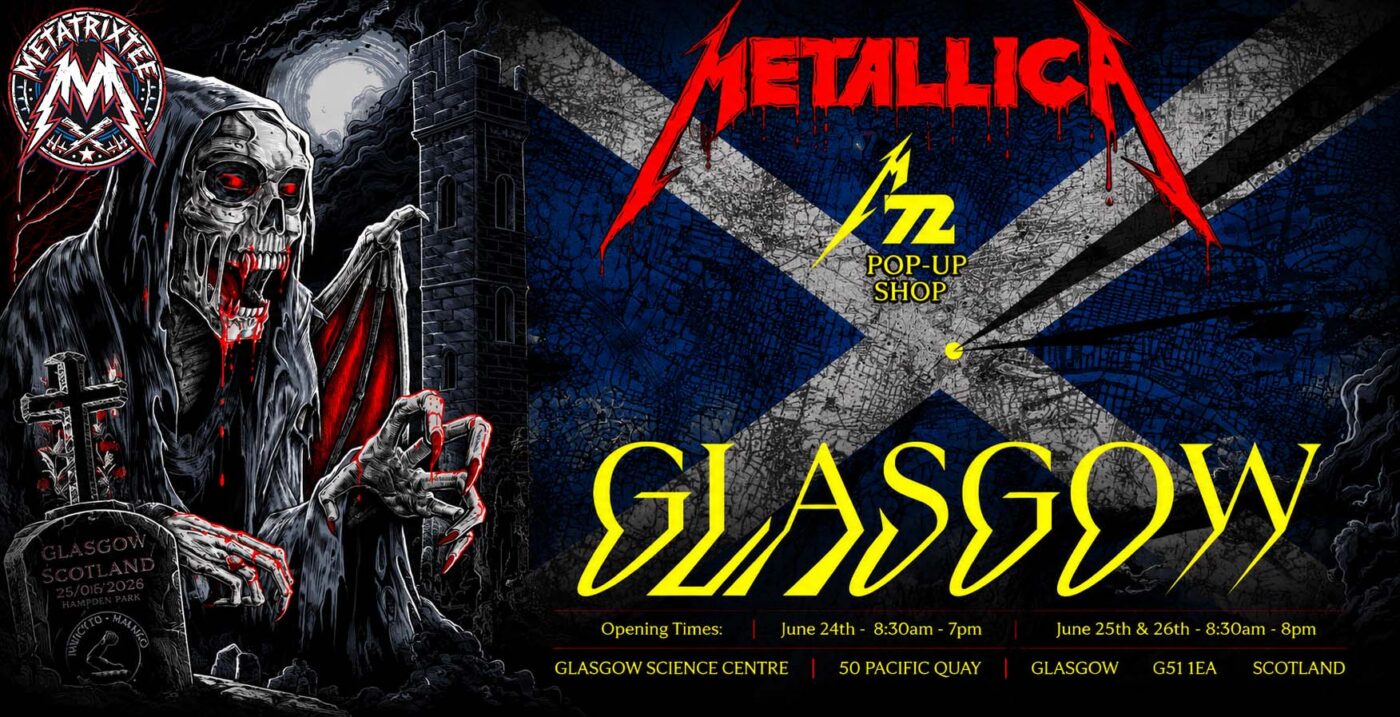
The June 25, 2026 appearance at Hampden Park marks a critical pivot point for the Metallica M72 World Tour. The band transforms a historic sporting venue into a focused laboratory of sonic weight. This is not a casual stadium visit tacked onto a summer itinerary. Instead, it represents the structural core of the band’s late-career performance philosophy.
Every stadium on this run carries its own atmospheric baggage. However, Glasgow presents a singular acoustics-versus-attitude equation. The venue possesses a wide, sweeping bowl. Historically, this shape demands a specific kind of projection from a performing artist. When a band with forty-plus years of repertoire steps onto this turf, standard stadium rock tropes fail. The interaction between the physical space and the crowd’s baseline intensity changes the dynamic. The emphasis shifts entirely away from mere scale. It focuses squarely on raw endurance.
What makes this stop worth close analysis? The answer lies in how the band adapts their current operational momentum. They must face a crowd known for its severe lack of pretense. In many European cities, stadium shows feel like passive tourist attractions. In contrast, the Scottish capital of live music treats metal as an active, participatory dialogue. The band does not merely present a product. They enter a space where collective expectation forces a sharper, faster, and more physical delivery.
The Geometry of Noise: Demolishing the Traditional Stadium Barrier
The architectural centerpiece of Metallica Scotland 2026 is the physical eradication of the traditional front-row hierarchy. The production accomplishes this via the massive ring-shaped stage. By positioning the performance area in the center of the stadium floor, the band fundamentally alters how sound moves through a massive venue.
The stage setup does not project noise outward from a single end zone. Instead, the sound emanates from a central core. It disperses radially across the floor and up into the stands. This layout eliminates the standard dead zones that plague traditional stadium concerts. It turns the entire arena into a localized hotspot of high-frequency energy.
For the musicians, this setup requires an extraordinary amount of physical movement and situational awareness. Lars Ulrich’s drum kit moves across four distinct locations on the ring throughout the night. This rotation ensures that every section of Hampden Park receives a front-facing perspective of the rhythm section. James Hetfield, Kirk Hammett, and Robert Trujillo operate without a fixed center point. They constantly shift positions along the perimeter. This structural fluidity breaks down the invisible wall between the performers and the audience. The typical separation disappears. An immersive environment replaces it, where a sea of moving bodies constantly surrounds the band. This turns a massive stadium into an oddly intimate space.
From the Liffey to the Clyde: The Continuity of the European Leg
To fully comprehend the momentum carrying into Hampden Park, critics must analyze the structural patterns from earlier stages of the European leg. The band’s management of stage dynamics and sonic pacing at previous stops directly dictates the technical and emotional threshold of the Glasgow performance.
Reviewing the historical development of this tour leg reveals how the production crew refined the central-stage mix over time. For example, the analytical breakdown of the Dublin stadium transformation provides vital context. It shows how engineers perfected the outdoor audio blueprint before crossing the Irish Sea. The crew applies those sonic lessons directly to the Glasgow setup, specifically regarding sub-bass management. They also optimize the transition between fast, thrash-era tempos and slower, groove-heavy mid-tempo tracks. The band arrives in Scotland not to experiment, but to execute a highly tuned performance strategy. This strategy treats the two distinct regions as part of an ongoing, interconnected musical dialogue.
The Setlist Anatomy: Pacing, Blind Spots, and Sonic Variety
The operational engine of the Metallica M72 World Tour is the strict “No Repeat” policy. This structural constraint forces a deep exploration of the band’s discography. For a single-night engagement or a multi-night run, this format guarantees a highly curated selection of tracks. It successfully avoids the safety of a standard greatest-hits package.
Predicting the exact arrangement of the Glasgow performance requires looking closely at historical curation data. Tracking platforms like Setlist.fm help map out the core structural templates the band has used throughout 2026:
- The Golden-Era Pillars: Essential tracks like Master of Puppets, One, and Enter Sandman serve as structural anchor points. The band distributes them strategically to maintain maximum audience momentum across the evening.
- The Speed Subtext: Early-era thrash staples like Whiplash, Battery, or Seek & Destroy test the physical endurance of the band. The circular track demands absolute rhythmic precision without the aid of a static stage setup.
- The Modern Textures: Selections from 72 Seasons provide a sharp, aggressive contrast. They utilize modern production tunings that cut cleanly through the open-air stadium acoustics.
- The Deep-Cut Variable: The true creative value of the night lies in the unexpected inclusions. Tracks from Load, Reload, or rarely performed instrumental pieces challenge the hardcore fans. They break up the predictable stadium rhythm.
This shifting setlist structure keeps the performance agile. The band cannot rely on muscle memory alone. They must remain highly focused on the specific transitions of the night. This focus gives the entire event a sense of creative risk that rare stadium environments can match.
The Scottish Factor: Community, Identity, and the Heavy Metal Commonwealth
A distinct cultural friction occurs when a global musical institution collides with a fiercely local audience identity. The crowd at Hampden Park does not just observe a performance. They actively shape its rhythmic character through vocal participation and sheer physical presence.
This specific relationship between regional pride and musical devotion is visible in how the local community documents these rare visits. The unique identity of the local crowd reflects clearly in specific subcultural markers. It also drives community discussions surrounding the event, as seen in the dedicated digital gathering spaces for Glasgow concertgoers. This is not standard consumer behavior. It is an expression of regional ownership over a musical subculture.



When the opening notes of Ennio Morricone’s The Ecstasy of Gold echo across the stadium floor, the crowd establishes a massive baseline of intensity. This reaction forces the band to match their energy. The historic connection between Scottish audiences and heavy rock music rests on mutual respect for hard, uncompromised work. In Glasgow, fans judge a performance by its honesty and its physical weight. Precisely this critical filter elevates the June 25 show into a defining moment for the entire 2026 tour.
Frequently Asked Questions
Will Glasgow feel different from Dublin?
Yes. The performance will display a distinct character due to the specific architectural differences of Hampden Park. The unique energy of the local crowd also alters the dynamic. Dublin established a specific blueprint for the open-air sound design. However, Glasgow’s historical crowd dynamics place a much higher premium on raw tempo. Intense vocal interaction forces a more aggressive delivery from the band.
Is Metallica likely to change the setlist?
Yes. The structural design of the M72 tour guarantees variations. The band strictly avoids replicating setlists between closely linked geographic dates. The core stadium anthems remain intact. However, the band deliberately rotates the deep cuts and mid-tempo selections to ensure a unique performance for the Scottish stop.
Why does the M72 stage setup matter?
The central circular stage completely changes the traditional stadium concert format. It completely eliminates the front-to-back crowd hierarchy. This design improves sound distribution across the entire stadium bowl. It also forces the band to move constantly, creating a more dynamic and shared visual experience for everyone.
What are fans expecting from the Scotland stop?
The local community expects a performance focused on musical power rather than standard stadium showmanship. Metallica visits Scotland less frequently than major continental European hubs. Therefore, the crowd treats the event as a major cultural milestone. This status creates an expectation for a high-intensity, career-spanning setlist.
Could Glasgow become one of the standout nights of the tour?
Yes. The combination of Hampden Park’s historical atmosphere and the uncompromising energy of the local audience creates an ideal environment for heavy metal. Metallica operates at a world-class level. When they face a crowd that demands total physical commitment, the performance naturally gains an extra level of intensity.
